
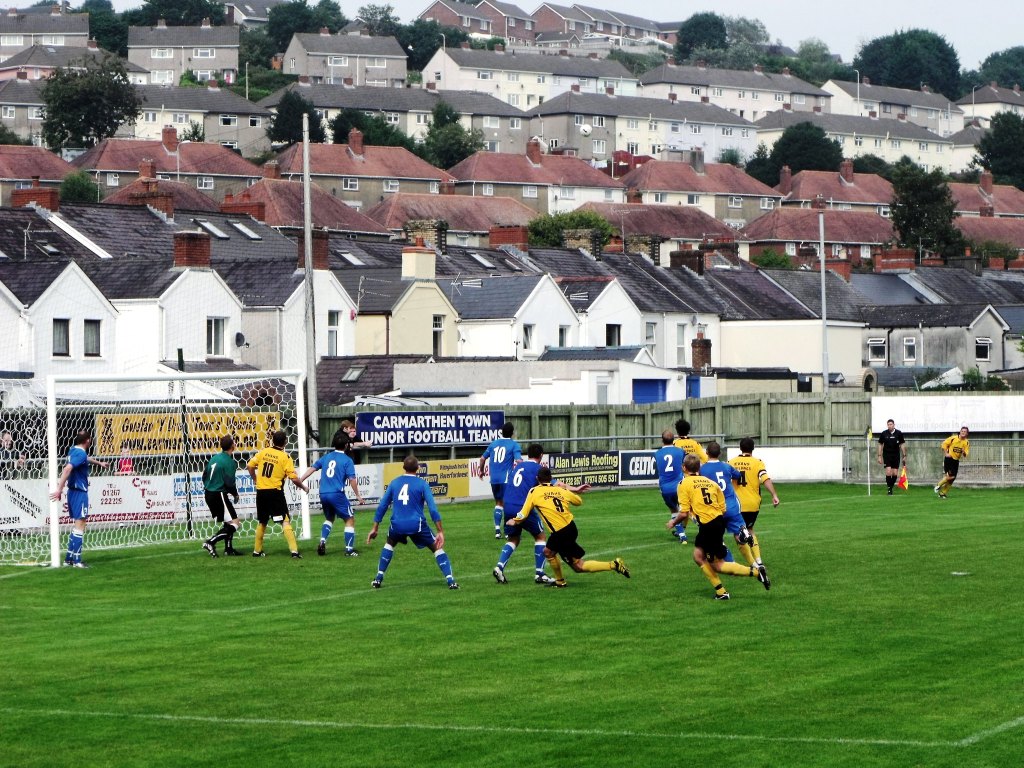
Football in the UK has been around for over 150 years now. Many things have changed from its first showcase, and the game is constantly changing today.
Over in Wales, a change in football is set to take place with new league regulations next season, and change has swept through the sport in Wales quite often.
One thing that hasn’t changed about the sport is its fans. In Wales, people of all ages from their local communities head down to their local grounds. They enter through an old rusty turnstile, before making their way to the club shop to pick up a cuppa tea.
Before the kick-off, children take to the pitch to contest their own miniature football games, scoring goals as they imagine themselves as the next Lionel Messi, the next Cristiano Ronaldo or the next Louis Lloyd.
Football in Wales is what football in England once was. A Community. It’s not to say everything has gone out the window in England, but fewer teams allow the voice of their fans to have an impact, allow them to express their opinions on the club, and give them access to the players and staff.
However, does Wales run the risk of following in England’s footsteps? With more money coming into the league, do Welsh teams part ways with their community values and relationship with their fans, or does it maintain?
Dan Davies is the Holywell Town media manager, as well as the owner of ‘Top Bins’ magazine, which is entirely dedicated to Welsh football.

“I’ve only been involved with Welsh Football for about a year, but I am hooked”.
“I see loads of potential. I think the North and South are brilliant leagues that provide more entertainment than the Prem. Welsh football is going through a lot of change and gets a lot of media coverage right now which can only help”.
The idea that the North and South have more competition is a relatively shared opinion in Welsh football.
With the monopoly The New Saints have been able to build in the topflight, along with only a couple of teams being able to compete in the European positions, it has become quite a predictable division, with little to play for expect avoiding relegation for most teams.
The same can’t be said for the North and South tiers. Last season, Airbus scored 102 goals in the league and only lost twice, but they failed to get promoted to the top flight, as only one team gets promoted.
This season, the Wingmakers will now face threats from Holywell, Newtown and Llandudno, and it’s hard to call which one(s) will be getting promoted. (More teams are promoted next season as the league is expanded to 16)
In the South, there are plenty of big names that make up the division. Aberystwyth, Pontypridd, Trefelin and Cambrian United will all battle it out for promotion.
The issue the Prem struggles with is adding that competitive edge that the second tier possesses, and they are hoping the restructure of the league can add that excitement that people are paying to watch.
Clubs will see the lights of the Welsh Premier as a chance to improve the clubs’ financial positions in a way like never before, however, to achieve this, some clubs might run a serious risk to catch up with the best.
“A lot of clubs have been spending more than usual to get up, so even before the changes have happened, it will have an impact. Once you are in the league, you have to pay better wages to attract better players.”
This summer, TNS broke their transfer record for forward Ben Wilson from Scotland. For other teams to catch them, they need to spend a lot more money, and it becomes a cycle for teams to keep spending to compete.
The biggest issue with this is teams facing serious threats of administration, which Welsh football isn’t unfamiliar with in recent years. Bangor and Rhyl both no longer exist and are now established as ‘Phoenix clubs’.
However, it’s not just buying players to build a competitive squad, which is going to be a serious financial risk for these clubs.
“One of the biggest challenges will be travel. More games and further travel will have an impact, and money. The costs will go up, which makes it harder to compete with the bigger clubs.”
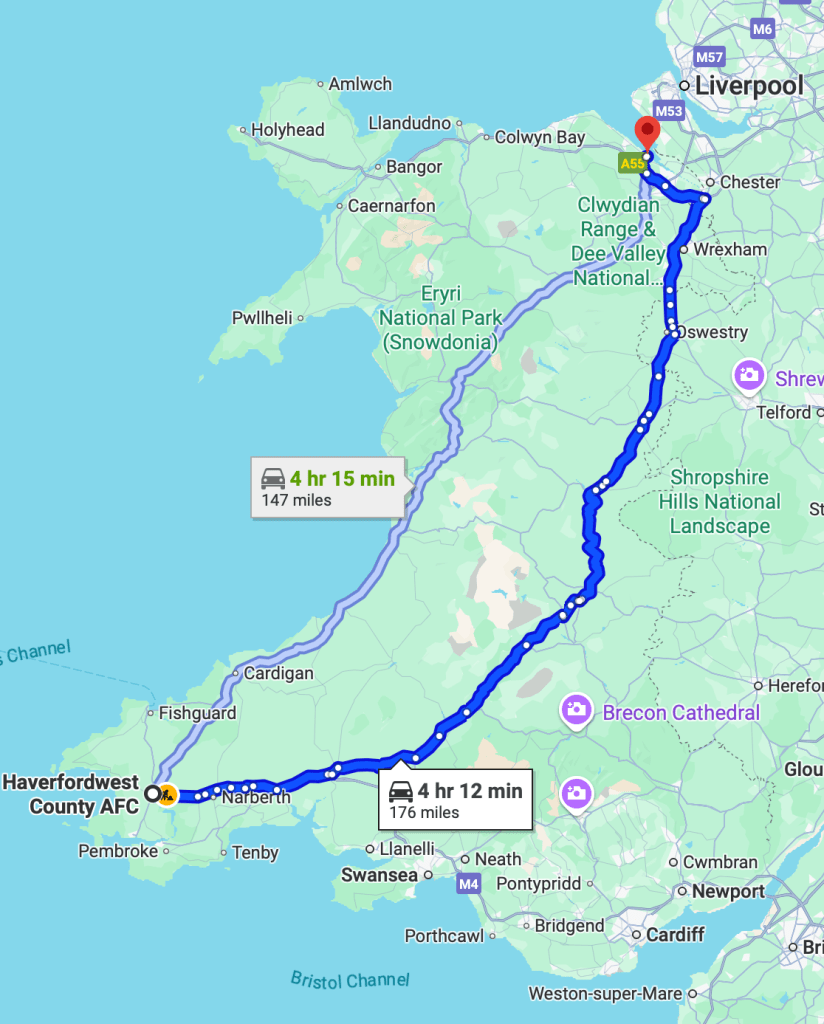
The Welsh FA are trying to introduce the change alongside changing the league to a Friday Night League, but that has major implications with travel.
When teams face four-hour drives between North and South teams, the cost of doing so increases significantly, with accommodation for the night now being necessary.
One of the biggest changes Mr Davies will see is the change in strategy for media work at his club.
“Nobody really knows what will happen outside the four walls of the FAW. TV is important and I feel this is one change to get it right to sell the dream of Welsh Football.”
TV has been a massive financial benefit to leagues in recent years, such as the Premier League and the Scottish Premiership.
Welsh football suffers in that retrospective. The most recent TV deal was struck in 2022, and it was a four-year deal with S4C, an all-Welsh language TV channel.
However, over a season, only 35 games are shown live, and that includes cup competitions. For the Welsh football league to gather a larger audience in this ‘Mass Media’ world, they simply need more games and more promotion of their product from the TV companies.
It’s just over a year from now that the changes take place in the league, but Mr Davies thinks it’s too early to call whether the proposed plans will be a success or not.
“I can’t really answer that until it’s happened. I am hopeful, but let’s see what happens first.”
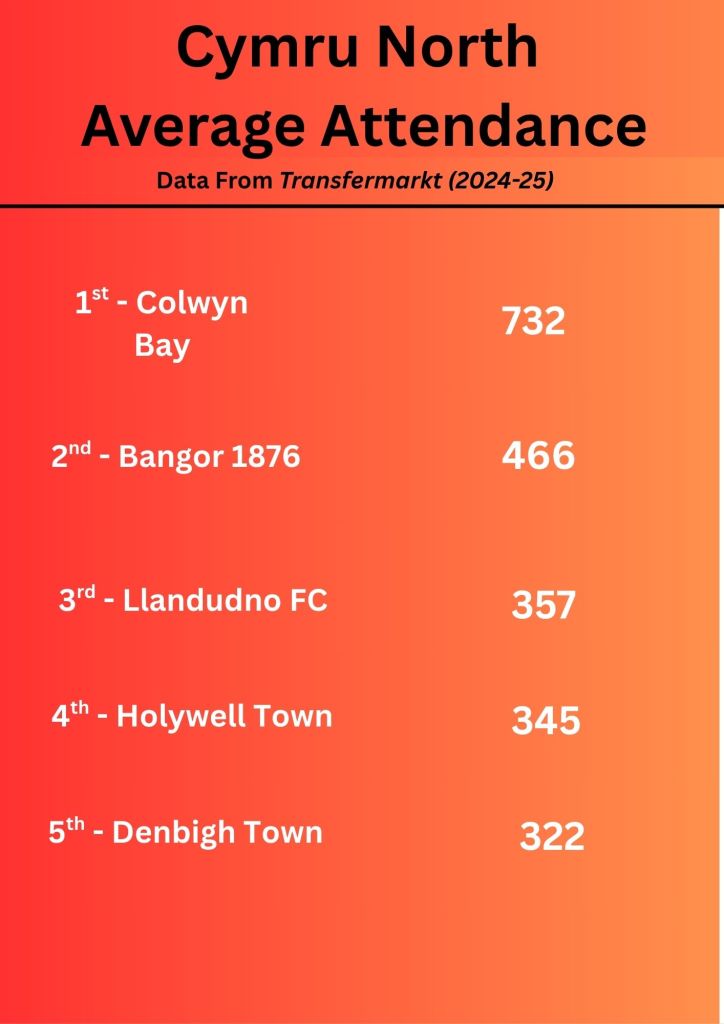
It truly will be a test of time, and as one of the key parts of the proposed plan set out was to attract more fans to come to the games regularly.
Can the Welsh FA make a league that is exciting and one that will allow teams in Wales to reach European football on a more regular basis without tearing down the relationship struck between many clubs and their fans?
Well, Mr Davies put it perfectly.
“Let’s see what happens first”.
Featured Image – “Carmarthan Town v Bangor City” by grassrootsgroundswell is licensed under CC BY 2.0.

 Daniel Moffat
Leave a reply to Managing in the Unknown – Welsh Football – Part IV – Daniel Moffat Cancel reply