

The English Premier League reports that it provided £16 million to non-league teams across 2022-2025 to help support the English pyramid system.
Money is also granted to EFL clubs, as well as through grassroots football, to allow the game to thrive.
There have been no statements from the Welsh FA regarding whether or not finances will trickle down through the ranks in Wales.
Although it would be significantly less in comparison to England, many clubs throughout the Welsh football system would benefit from money coming through its ranks.
There is a lot of emphasis on the Cymru Premier, as well as the Cymru North and South, as these teams will battle it out for their place in the Premier. These clubs will be given the opportunity to grow, whereas it seems the lower leagues are now an afterthought.
Ethan McMullin is a coach at Greenfield FC, a team that features in the fourth tier of Welsh football.
He began his football career at age six, playing for Flint Town, and at 16, he began his career in coaching.
He started coaching at Flint Town and is now a member of Greenfield’s coaching staff.

He believes that Welsh football in the current period is something interesting to watch and be involved with.
He said: “Welsh football has been on the rise for the last couple of years, and I think at this current moment, there is a lot of excitement, particularly in Cymru North and South.”
It’s been confirmed that three teams from the North and South divisions will be promoted next season, so a lot of teams will be battling it out for a chance to play in the top tier as the reforms take place.
In the North, many teams battle it out for these three places, as well as others who may surprise a few. The same can be said about the South.
Mr McMullin believes the change brings optimism to some clubs, but there is a clear focus at this stage.
He said:” It offers that extra hope for promotion, but all the focus of this restructure seems to be on the Welsh Premier League and the second tiers.”
There are a host of teams that make up the third tier, also known as the Ardal Leagues, which is made up of four leagues.
The tier below is the system that Greenfield are featured in, called the Northeast Wales Football League Division One.
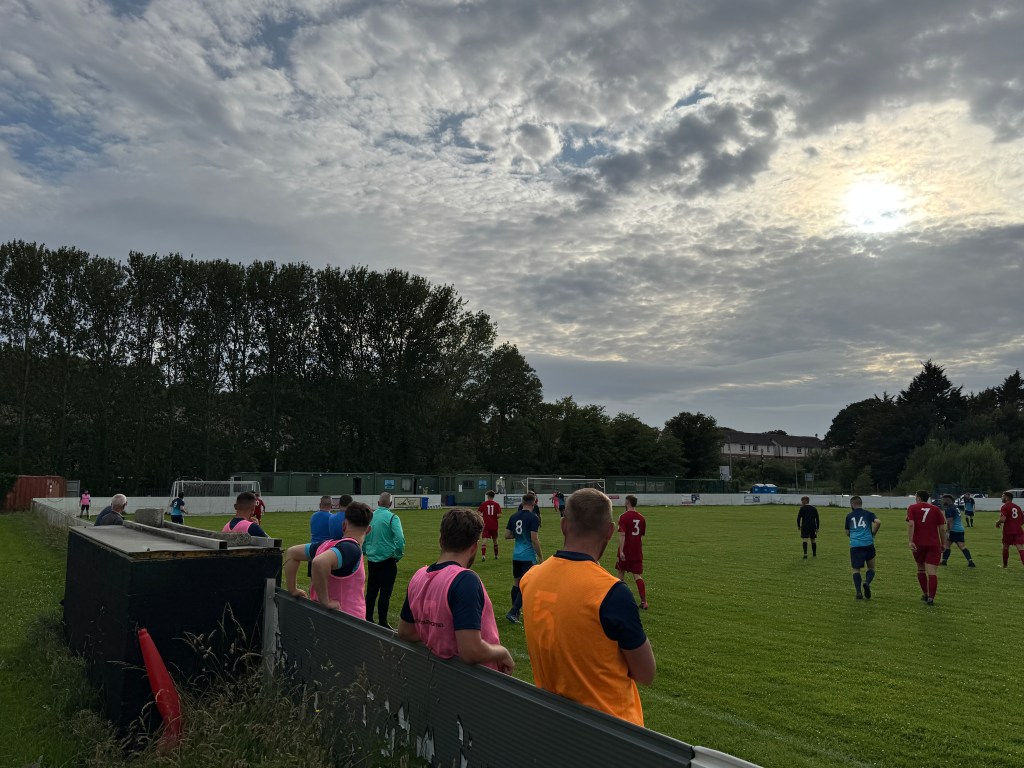
Compared to the two top divisions, there is a lot of confusion for most fans to see who gets promoted, how they get promoted and how relegation works in these lower divisions.
Mr McMullin has the opinion that if the structural shifts are positive, the results could have a benefit on his club’s league.
“The restructure has strengths and weaknesses, and over the first year, it may even be trial and error work, but if it is promising, I can see them developing the whole structure in Wales.”
When I spoke to Flint Town United’s boss, Lee Fowler, he was keen to highlight his distaste for the possible shift to a Friday night league, due to players dropping down divisions.
This has been a feature in Welsh football for some time, and you regularly see players drop down to the second tier, as people simply can’t afford to, as they work part-time jobs.
Mr McMullin has been a regular at Cymru North games for over three seasons now and thinks that the excitement of the second tier could grow if these changes do occur.
“I see a lot of players who get promoted to the Welsh Premier not committing to the travel and time that the Welsh Premier takes. A lot would rather enjoy football closer to home, which has shown in the competitiveness of the Cymru North the last 3 seasons I have watched.”
There is a growing fear that perhaps semi-professional clubs could struggle once these tweaks to the league are introduced.
With many players working jobs that simply won’t give them the time to travel to games, it becomes a major issue, not just the idea of a shift into a possible Friday night league, but the idea of playing more games and having to train more regularly.
Clubs will be hoping that the extra finances they earn through the new revenue avenues, as well as the new payments they get from the league, will be enough to allow their clubs to become full-time professionals. However, that is a huge ask as there are only a handful of clubs lucky enough to be in that position at this current stage.
Bigger names, bigger aims
It’s fair to say there has been significant interest in the JD Cymru North and South for these reasons, and they attract just as many, if not more, fans at their games than the topflight, which these changes are looking to alter.
After some big names got relegated from Tier 2 last season, Mr McMullin expects the number of fans to increase in Tiers 3 and 4.
He said: “With Prestatyn and Bangor getting relegated, you’ll see an increase in tier 3 for fans, not just of their club, but across Wales as they are big names in Welsh football.”
“As for tier 4 clubs, you get the core groups that attend, but when you are in areas with Flint, Holywell and Buckley, it’s hard to attract new fans. Hopefully, with how exciting it looks this season, numbers can increase.”
This is particularly an issue in the North Wales area, as people I have spoken to have made it clear that they aren’t just competing with teams in Wales, but also big teams in the Northwest of England, as well as Wrexham, who now play Championship football.
It makes it even harder for teams in Tier 3 and 4 to build up those fan numbers, and without it becoming clear that the updates to the first division will help promote these clubs to local fans, it will be even more difficult for these clubs to build that fanbase if they are looking to put plans into effect to build the club up with the new changes.
Learn from the past
Flint Town manager Lee Fowler said that his plans have changed ahead of next season as the new structure is set to take place.
However, in the lower leagues, do managers and coaches have to alter their plans? Teams are always looking for promotion, but will the new financial benefits of higher leagues play in the minds of some, meaning they could be more willing to dig into their wallets to get the best on the market?
Mr McMullin believes you will see similar situations to what is already happening, but there could be higher expectations for some coaches.
“I think you’ll see similar teams around these promotion places, as these teams are big figures within the leagues.
“I think every manager sets their season’s aims high, and with the addition of the promotion spots, there may be more demand on themselves and on the players to achieve the set season aims.”
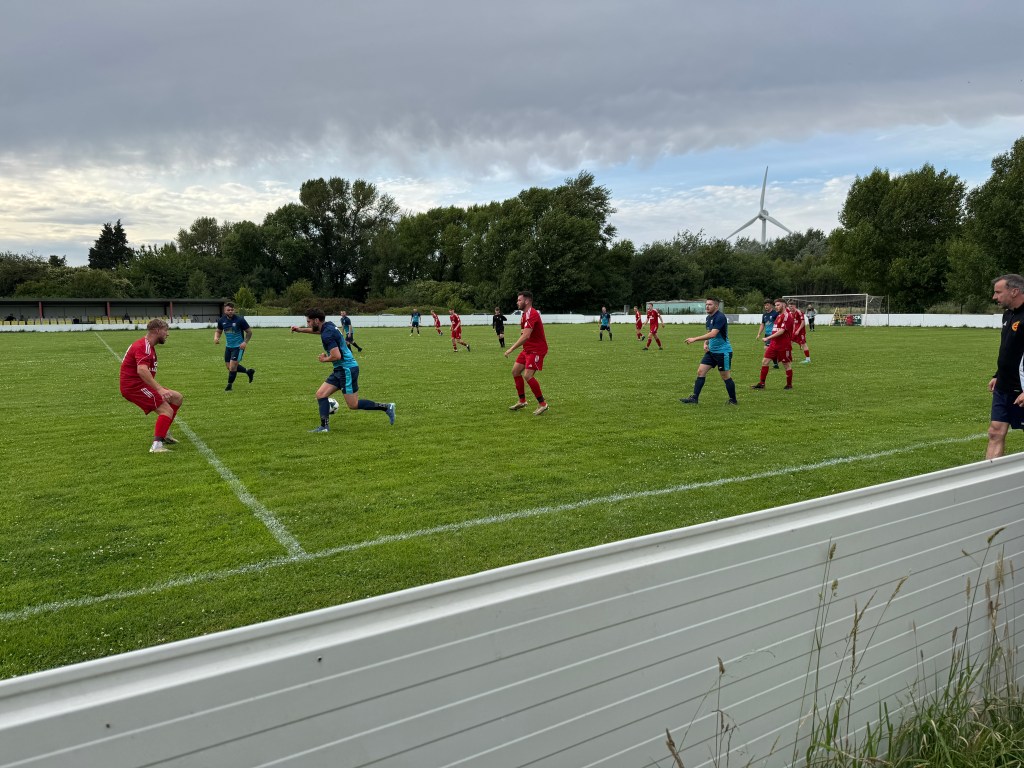
At Greenfield, this is what they are hoping for. The last few seasons, they have been around the mid-table positions in the fourth-tier and will be hoping to continue that.
Greenfield understands that it is extremely unlikely for them to reach Tier One football without serious financial backing, but they will hope that, like we see in England, finances can help support clubs like themselves as it’s passed down through the divisions.
Mr McMullin believes that the new changes could soon have an impact on these tiers, and is hoping they can, but he fears for some teams.
“I am optimistic that these changes can offer a future for teams within these tiers, but I feel that with clubs moving on and coming down, I feel the financial increases could cause a downfall in the number of clubs which feature within these tiers.”
These tiers aren’t unfamiliar with some fallen clubs due to economic disturbances.
Bangor were a relatively successful team in Welsh football, and even played some European qualifiers in the early 2010s. Now, they are set up as an affiliate club, and they find themselves playing third-tier football, while Cefn Druids, one of the most historic clubs in Wales are now also an affiliate club, and they feature in the fifth tier.
With the idea of wealth in the Cymru Premier being the prize for some, they should be aware of the history in recent years, and make sure they learn from what has caused heartbreak for so many if they pursue that path, especially if there is a lack of support from higher up.
Cover photo taken by Dan Davies
 Daniel Moffat
Leave a comment